山南五大核心传统经典名馔 5 Signature Culinary Specialties of Shannan

Yarlung Tsampa
藏源第一麦 · 农耕源头

雅砻索当青稞糌粑 (Yarlung Tsampa)

Ancestral Yarlung Barley Tsampa

山南是西藏农耕文明的真正发祥地。西藏历史上第一块农田“索当”就位于雍布拉康山脚下。这里出产的高原黑青稞与白青稞日照充足、颗粒饱满,炒熟后经水磨细磨出的糌粑粉麦香馥郁扑鼻。伴入刚打好的浓热酥油茶与微甜奶渣,用右手捏成圆润结实的糌粑团,每一口都是两千年农耕文明的纯净滋养。

Shannan is the ancestral homeland of Tibetan agriculture, tracing back to Sodang field beneath Yumbulagang. The highland barley grown here yields extraordinarily fragrant tsampa flour. Hand-kneaded with freshly churned yak butter tea and dried curd into dense savory balls.

风味特色:Character: 麦香纯净,高纤维易饱腹,抵御高原胃寒Rich nutty aroma, complex fibers, instantly energizing
Tibetan Butter Tea
雅砻茶马古道 · 咸香温润

山南传统手工酥油茶 (Butter Tea)

Traditional Yarlung Butter Tea

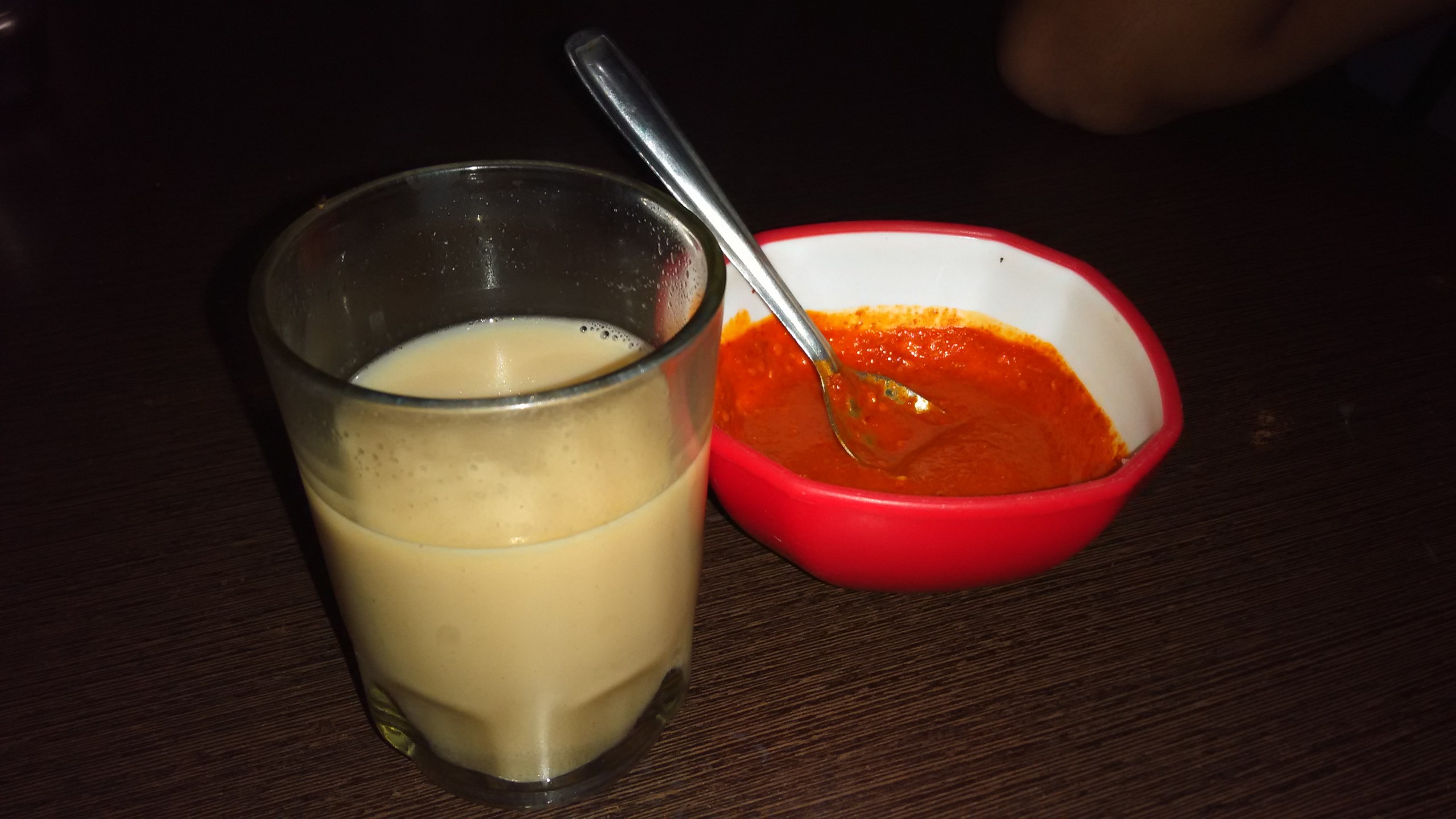
山南曾是滇藏茶马古道与川藏茶道的重要交汇枢纽。泽当的酥油茶以浓郁砖茶老汤为底,加入山南当地牧区黄牛或牦牛提炼的新鲜酥油,调入微量矿物盐抽打乳化。茶汤红润温厚、油花细密、咸香适口,既能迅速补充高原消耗的水分与热量,又能完美化解肉食油腻。

At the crossroads of the Tea Horse Road, Shannan artisans simmer dark brick tea with fragrant churned yak butter and mineral salt. Velvety smooth and deeply comforting, it balances electrolytes and restores cellular hydration against dry winds.

饮茶习俗:Custom: 宾客入座,主人必先敬上一碗热腾腾的酥油茶Guests are unfailingly welcomed with an overflowing hot bowl
Monba Buckwheat Pancakes
喜马拉雅南麓特色 · 门巴秘馔

门巴族石板荞麦煎饼 (Monba Buckwheat Cake)

Monba Stone-Baked Buckwheat Pancakes

错那市勒布沟门巴族的招牌传统主食。采集喜马拉雅山谷生长的苦荞与甜荞磨浆,在烧热的平整石板或生铁锅中均匀摊平慢煎。煎至两面金黄微焦,外脆内韧,散发着天然荞麦的清香。通常卷入自制的野葱炒辣椒或风干肉丁,再配上一竹筒清甜回甘的门巴荞麦酒,风味别具一格。

The culinary soul of the Monba people in Lebu Valley. Harvested mountain buckwheat batter is ladled onto hot flat river slates or iron skillets, cooked until golden-crisp on the edges and soft inside. Wrapped with wild mountain chives or air-dried beef strips.

地道吃法:Pairing: 蘸门巴特制野辣椒酱,搭配门巴竹编青稞酒饮用Dip in Monba spicy herb relish; pair with sweet buckwheat wine
Tibetan Fragrant Pork
纯天然林下走地 · 鲜嫩弹牙

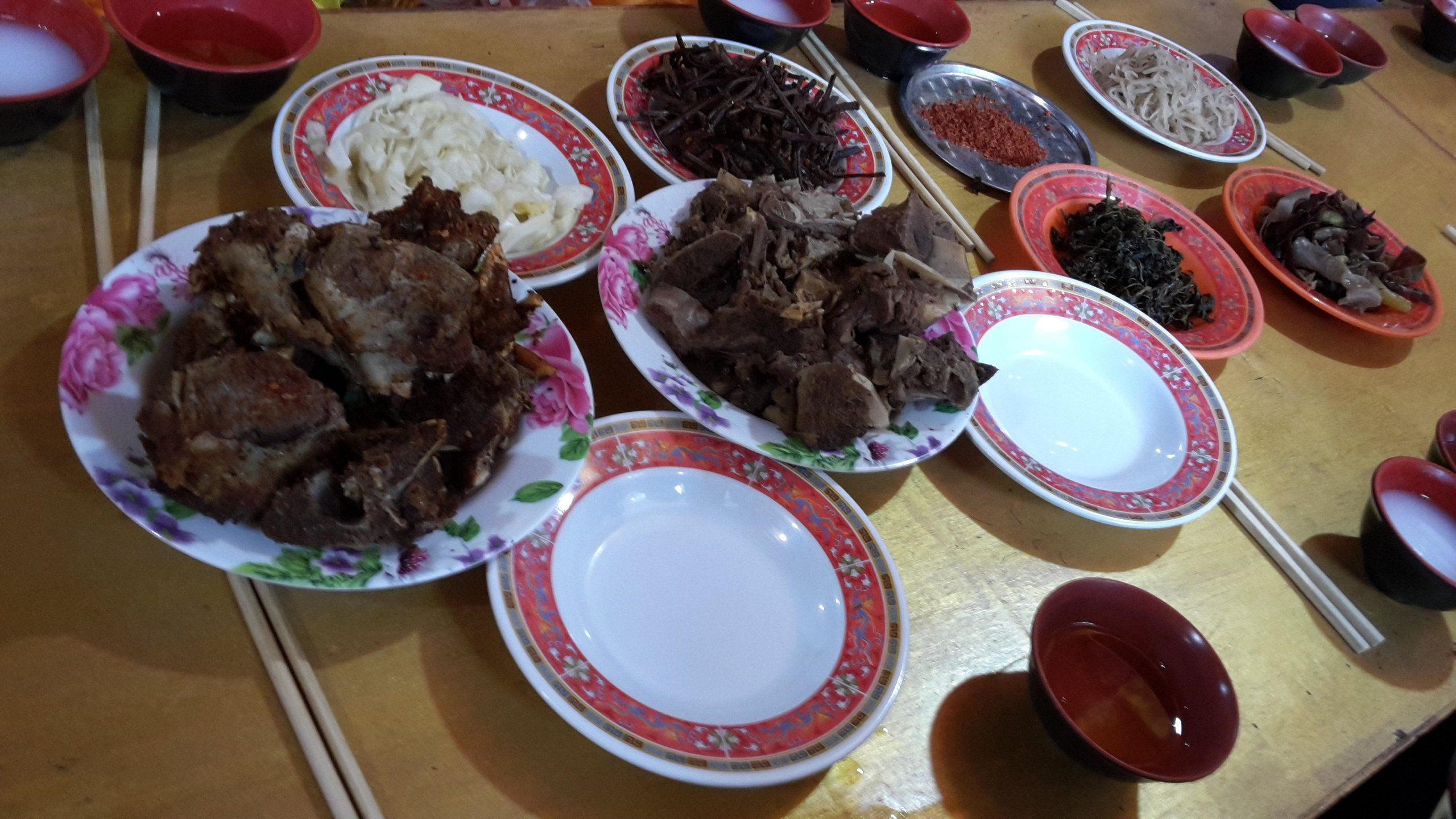
山南藏香猪与手抓肉 (Fragrant Pork & Mutton)

Highland Fragrant Pork & Boiled Mutton

山南雅江沿岸与勒布沟森林间散养的微型“藏香猪”,常年以林中菌类、橡果与高原中草药为食,被誉为“高原人参猪”。肉质细腻皮薄肉嫩、脂肪含量极低,入口清香不腻。在山南还可以品尝到采用墨脱或加查滑石岩锅烹制的石锅土鸡,加入手掌参、松茸与枸杞慢火煨炖,汤鲜味美。

Free-ranging indigenous Tibetan pigs graze on wild mushrooms, acorns, and alpine herbs in the sub-Himalayan valleys. The pork is lean, tender, and intensely flavorful. Also popular is stone-pot chicken stewed in handcrafted soapstone pots with wild ginseng.

推荐品尝:Highlight: 泽当湖南路特色藏餐馆、加查县城石锅鸡Traditional eateries in Tsedang and stone-pot restaurants in Gyaca
Yak Yogurt and Sweet Tea
纯手工天然发酵 · 浓稠如脂

山南纯手工牦牛老酸奶 (Tibetan Yak Yogurt)

Artisanal Yak Milk Yogurt & Sweet Tea

浪卡子县牧区与泽当传统手工作坊的招牌甜点。以高原高脂牦牛鲜奶经传统老菌种天然发酵而成,表层凝结着一层厚厚的金黄色酥油皮,质地浓稠如同嫩豆腐。口感酸爽醇厚、奶香极浓,通常撒上一层白砂糖或青稞炒面同食,是高原旅行中促进肠胃消化、补充益生菌的绝佳天然甜品。

Cultured naturally from rich yak milk in Nagarze and Tsedang. The top features a golden layer of pure butter cream, while the body resembles smooth panna cotta. Tart and deeply creamy, served with a sprinkle of sugar or toasted barley flour.

品味体验:Experience: 羊湖观景台农牧民手工酸奶摊、乃东老茶馆Fresh yogurt cups at Yamdrok viewpoints and local teahouses

山南雅砻农耕“望果节”与门巴族木碗文化 Yarlung Wangkor Harvest Festival & Monba Wooden Bowls

1. 雅砻“望果节”农耕丰收筵席:“望果”在藏语中意为“绕着农田转圈”。每年秋收前夕,山南各村男女老幼身着华丽藏装,高举麦穗与经幡绕农田巡游,祈愿五谷丰登。巡游结束后在草坪上铺开厚厚的藏毯,摆满青稞酒、炸麻花(卡赛)、风干肉与大碗酥油茶,载歌载舞,是藏族农区一年中最隆重热烈的美食狂欢。

1. Wangkor Harvest Celebration: "Wangkor" means circling the fields. Ahead of the autumn harvest, villagers parade around golden barley fields bearing grain sheaves. The ceremony culminates in a grand outdoor feast of sweet wine, crispy kapse pastries, and endless bowls of butter tea.

2. 门巴族木碗工艺与饮食情怀:错那勒布沟的门巴族世代擅长制作精巧的硬木木碗。以高山杜鹃树根、桦木或寄生瘿木为原料手工车削打磨,花纹绚丽如云水流光。藏族与门巴族人随身携带木碗,甚至有“出门不带木碗,等于没有带舌头”的谚语。木碗保温性能极佳,盛装热茶不烫手,更具防毒辨药的古老信仰。

2. Monba Burl Wood Bowls: The Monba of Lebu Valley are famed master turners of hardwood root bowls. Polished to a lustrous sheen, locals carry these bowls inside their robes wherever they travel, cherishing them as lifelong dining companions.

3. 藏家做客礼仪:在山南农家做客,切忌用单手接递碗盏,主人敬茶或敬青稞酒时,须用双手恭敬接过。入座时不可坐于佛龛下方或正对主人的上座,更切忌将骨头骨渣随意丢入火塘之中。

3. Visiting Etiquette: Always accept bowls and cups with both hands. Never discard bones directly into the cooking fire hearth, and avoid taking the seat directly reserved for respected elders.